

What Service Should A Company Use To Make Sure That Users Do Not Receive Apipa Address
You know those funny IP addresses outset with 169.254 yous see from time to time on systems or in DNS? They have an even funnier proper name — APIPA, which stands for Automated Private IP Addressing. And while they may seem both funny sounding and innocuous, the fact is they tin can be causing issues on your network ranging from delayed logons to intermittent failures. Odds are adept you take at least some of them out there on your network causing your users some problems. In this post, we will look at what an APIPA IP address really is, what information technology was meant for, why it's happening on your network, and what you can do virtually it.
What is APIPA?
The IETF reserved the 169.254.0.0/16 cake of IPv4 addresses to employ for link-local IP address assignment, and codification this in RFC 3927. They also cover IPv6 link-local addressing in RFC 2462, and allocated the fe80::/64 subnet to this, merely that'southward not used for APIPA.

Why is APIPA there?
Microsoft included support for APIPA in its operating systems starting with Windows 98, with the noble intent of providing a mode for systems to communicate with 1 another on a LAN when services like DHCP did not exist. Microsoft has a KB article, 220874, that defines three cases where APIPA can exist useful.
- No Previous IP Address and no DHCP Server
- Previous IP Address and no DHCP Server
- Lease Expires and no DHCP Server
Whatsoever Windows host today will automatically provision an APIPA address when the post-obit is true.
- The DHCP Customer service is running, which is the default setting and also necessary to dynamically register with DNS.
- A NIC has a link but not a statically configured IP address.
- DHCP Find broadcasts receive no response.
When that happens, the operating system will choose a random IPv4 address in the 169.254.0.0/16 range, ARP information technology, and if it receives no answer to the ARP request, provision that on the NIC in question. If the operating system has another NIC that is leap with valid information, and all other defaults are in place, information technology will register not but its valid accost, but the APIPA accost, in DNS.
What good is it?
Honestly? Outside of labs specifically designed to teach about APIPA, I only always implemented information technology once, back in 2000, for a field station that had a agglomeration of machines in a workgroup, and no network resource other than a machine with a shared Internet connection. With no server, it seemed to be an adequate way to let the machines connect to one another, and discover the proxy through WPAD. Less than a yr later on, I put upward a server with DHCP services, DNS services, file and print, and more. I've never seen it implemented anywhere else intentionally, and with good effect. Merely if you accept, delight go out a annotate beneath and share some knowledge!
Why is it happening to me?
APIPA? On my network? It's more than likely than you recall. Ask yourself the following questions.
- Practise my servers have multiple NICs?
- Does my datacenter team plug my servers in to their switches?
- Is there whatever VLAN on which I do not run DHCP?
- Does my DNS back up dynamic updates?
If you answered yep to all four questions, then you probably have some systems that not only have APIPA addresses but accept registered them in DNS. And that means, the way DNS round-robin works, some of the time a client is going to try to connect to the 169.254.y.z address that is completely unreachable, and that connection attempt has to time out before it will try a valid ip.addr. The more resources, such as domain controllers, yous accept registering APIPA addresses, the more than oftentimes this tin can happen. And at to the lowest degree once in a while, a client will get multiple APIPAs in the DNS response earlier it gets a valid accost, making whatever connexion they require take even longer.
When it comes to Advertizement related functions, clients whose IP address is associated with an Active Directory site may never see this as an issue, since the 169.254/16 won't be associated with a site. But clients on subnets not associated with a site volition very likely get an APIPA address in response to a query for a domain controller, and that will cause delays in logon, logon script processing, GPO processing, and more than. And who among united states can claim that ALL of the IP subnets in use on our network are associated with a valid AD site? Non-site-aware activities, like connecting to shares or mapped drives, will bear upon anybody equally, with the odds dependent upon the number of names registered in DNS. A single server, by name, with one skillful NIC and one APIPA NIC, will annals each IP accost in DNS, and so clients will try to hit the APIPA accost half the time. They volition somewhen fail, and try the other, then this will manifest as things being "slow," not things existence misconfigured.
What should I do?
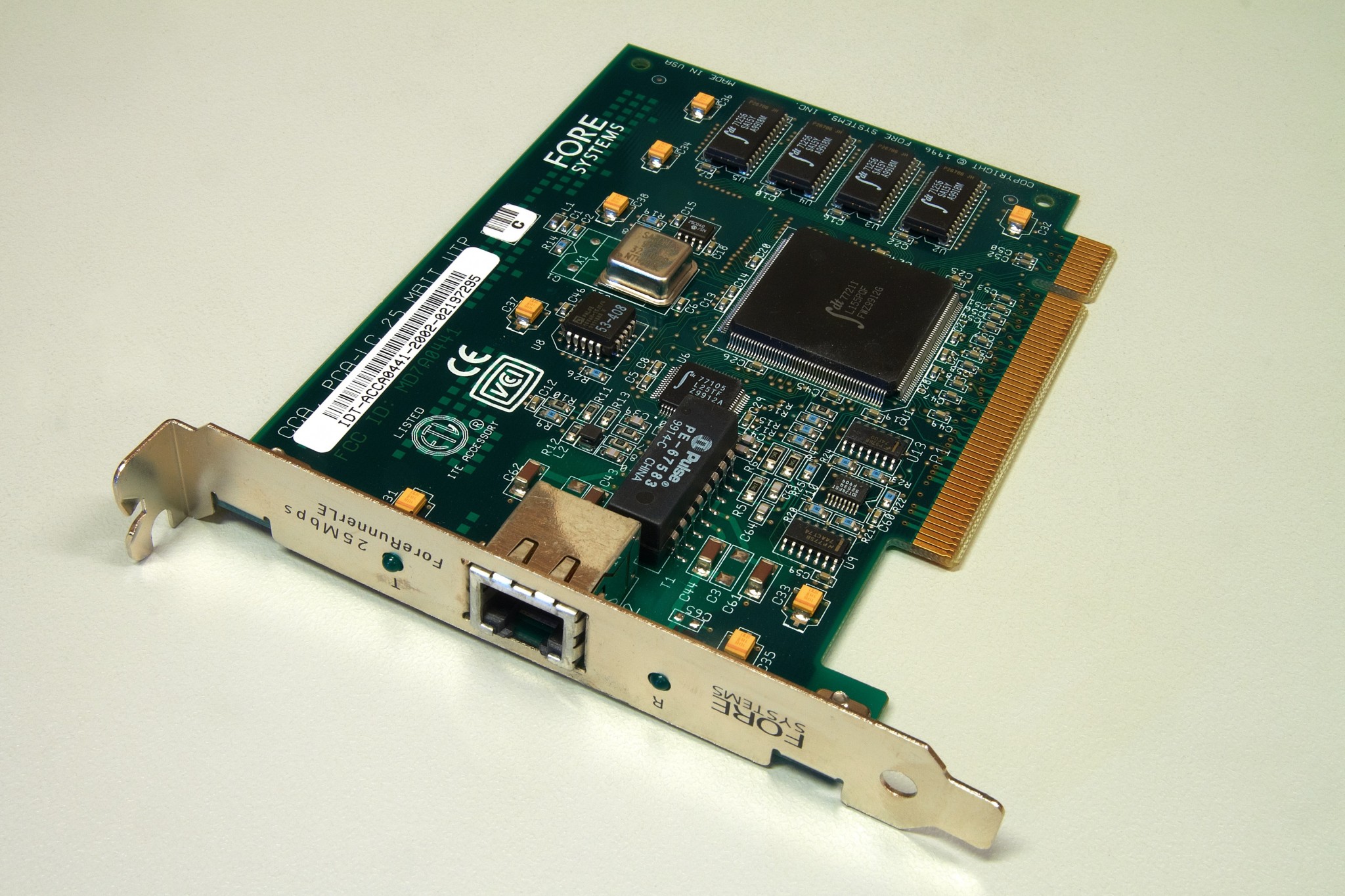 First, go look in DNS to see if you have any 169.254/xvi addresses registered. If you do, you lot must outset eliminate the source of the APIPA registration, then delete the invalid entry from DNS. How can you eliminate it? I of the following should work, depending on your needs.
- Disable all NICs on a server that are continued, but not in employ.
- Assign a static, valid IP address to every NIC on a server.
- Deploy DHCP scopes to every subnet.
- Disable APIPA behavior on all your servers, by deploying the registry key documented here.
Will APIPA destroy your network? No, of course not. Will it pb to intermittent problems and a general sense of slowness? Absolutely. Should you address this result? You betcha! With the information above and the options yous accept, it should be an piece of cake fix that will make everything better.
Get do information technology!
Photo credits: Collin Anderson, Endaargaanweweer, Barcex

What Service Should A Company Use To Make Sure That Users Do Not Receive Apipa Address,
Source: https://techgenix.com/apipa-ip-addresses-slow-network/
Posted by: anayaseend1982.blogspot.com
0 Response to "What Service Should A Company Use To Make Sure That Users Do Not Receive Apipa Address"
Post a Comment